Our patented EPSE process removes soluble metals from wastewater with up to 100% efficiency, making water recycling possible. We offer tailored comprehensive solutions in industrial water treatment, built on decades of experience — both our own and that of our trusted partners.

News
BBSEA Eco-Innovation Challenge
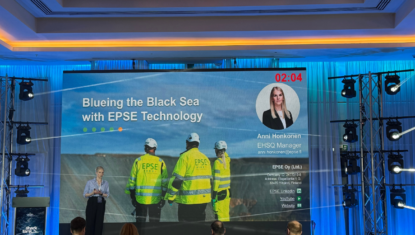
EPSE participated Eco-Innovation Challenge and made it all the way to the Shark Tank final, in which EHSQ Manager Anni
When Measurement Data Does Not Reflect Reality, Wastewater Treatment Fails in Practice
In industry, measurement data drives decision-making. Processes are adjusted based on analytical results, chemical dosing is optimized according to numerical
EPSE and SKO Site Tour in Kazakhstan

Steve Evans, COO of EPSE Technology Inc., and Dr. Mikko Rautiainen, Laboratory Manager at EPSE Oy, spent a very productive
Same pH, different outcome: how the choice of base affects precipitation
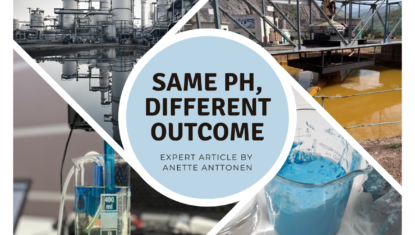
The effect of the base on the course of precipitation In chemical precipitation, pH adjustment is often viewed as a
Stay up to date with our latest news and developments!


Innovative EPSE™ Method works on up to 50 metals in one treatment
The EPSE™ Method is tested for 50 metals including nickel, arsenic, copper, uranium, chromium, zinc and many more. The treatment produces a metal-free overflow and an practically insoluble multi-metal precipitate. The cutting edge water treatment technology is not dependant on temperatures lowering your company’s energy costs.
Read more of the operating principle and the advantages of the EPSE™ Method here.

Tackling metal contamination in industry
Industrial processes often release heavy metals into wastewater, posing serious risks to human health and the environment. These contaminants are toxic, persistent, and difficult to efficiently remove with conventional methods. Reliable water treatment is essential to meet regulatory standards and enable safe water reuse.
Critical aspects to which we are committed
- Compliance with environmental regulations – water must meet all applicable local, national, and international environmental standards and permit conditions
- Protection of receiving ecosystems – the effluent must not harm aquatic life or disrupt ecological balance
- Continuous monitoring and transparency – discharge must be continuously monitored to ensure compliance, accountability, and early detection of deviations